ListOfUni

Royal Melbourne Institute of Technology (RMIT)

Victoria, Australia
Visit School Website
  • Public Type
  • 91,544 Students
  • 4 Faculties
  • 1887Founded
  • YesAccept Int. Studs
  • YesDistance learning

About

RMIT University is a global university known for its focus on technology, design, and enterprise, with a history rooted in education and vocational training. It's a leading institution in Australia and internationally, particularly in fields like art and design, engineering, and computer science. RMIT has a strong emphasis on applied research, engagement with industry, and making a positive impact on communities. 

Acronym RMIT
Nickname Old Paradians
Motto / Slogan A skilled hand, a cultivated mind
Colour Red and Blue
Mascot Rupert the Redback Spider
Founded 1887
Location Melbourne, Victoria, Australia
Address 124 La Trobe Street, Melbourne, Victoria, 3000

Mission

RMIT University's mission is to empower people and communities to adapt and thrive across generations through applied, inclusive, and impactful education, research, and civic engagement. 

Vision

RMIT University's vision is "To be a leading university of impact in the Asia Pacific region, using technology, design and enterprise to achieve an inclusive and sustainable future".
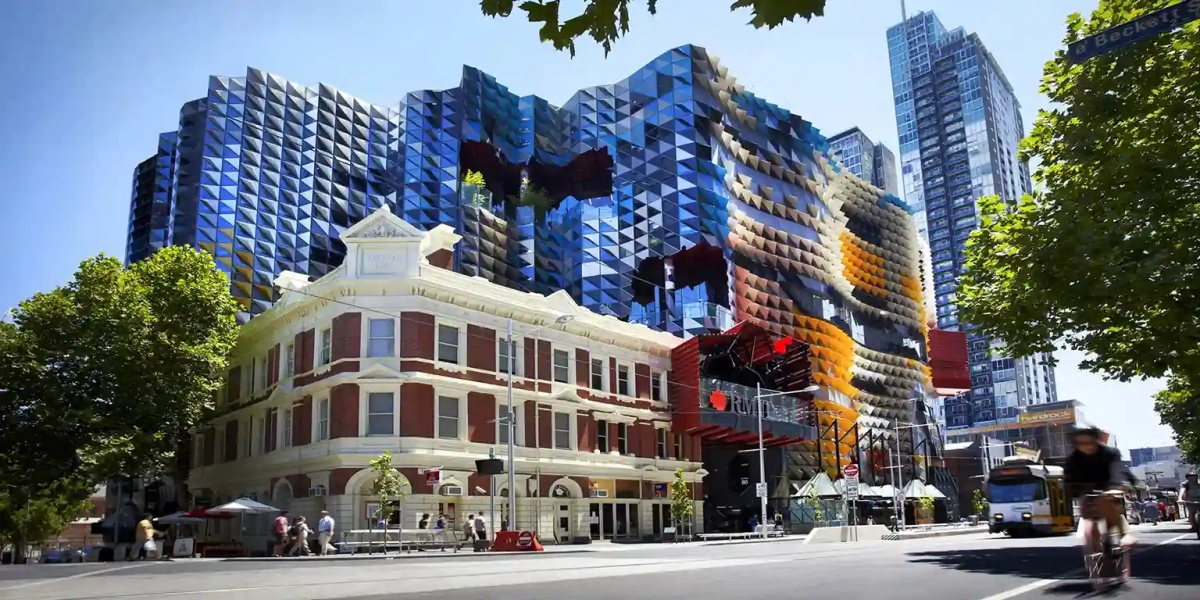
Royal Melbourne Institute of Technology

Objectives

RMIT University's primary objective is to empower people and communities to adapt and thrive across generations, through education, research, and civic engagement that are applied, inclusive, and impactful. 

Main Academic Divisions (Faculties)

  • College of Business and Law
  • College of Design and Social Context
  • STEM College
  • College of Vocational Education

Reasons to Study at Royal Melbourne Institute of Technology

  1. Learning through Clubs and Societies

    RMIT knows it well, you cannot get all your learning experience in the classrooms. That is why; you would encounter several clubs, associations, and societies to enrich your student life experience. For this, the university has hundreds of clubs and student societies that you are asked to be part of. These are the platforms where you would learn social and professional skills that would eventually help to land you a nice job of your interest and skill.


  2. Student Support System

    Right from the time you step in the first time, till you complete your study program, you would be assisted as and when you will ask for. RMIT offers all the basic infrastructural needs such as well-catered residential areas on campus and off-campus, it also offers access to its state-of-the-art library and other futuristic labs that goes beyond the conventional teaching system.

  3. Work-ready Teaching Experience

    Whatever you study carries a very specific purpose of gaining a meaningful employment opportunity that further enhances students’ creativity. During your study experience with the world-class teaching faculties, you will gain exactly the same. In fact, you would be interacting with the industry expert who has done the role of a teacher to make you work-ready.


  4. Opportunities to study in Melbourne

    This is what an international student aspires for- study in Melbourne. Without a doubt, Melbourne offers big opportunities to those who decide to be part of RMIT University. The University and its campuses are in Melbourne, the city that is one of the most livable cities worldwide. Besides, it's safe and secure streets, it offers the best employment opportunities to university graduates.


Fees

Undergraduate Tuition

Indigenous Students AUD 31,680 - AUD 65,887
International Students AUD 33,600 - AUD 74,880

Postgraduate Tuition

Indigenous Students AUD 16,800 - AUD 47,520
International Students AUD 34,560 - AUD 80,640

Admission

Undergraduate Admission Requirement

To find out the requirements you need to meet to get into an RMIT program as an international student, including academic scores and English proficiency, view the Entry Requirements page.


Supporting Documents

  1. Academic transcripts: Academic transcripts, also known as mark sheets or graduation certificates or academic awards (if applicable), from all qualifications, including completed and incompleted, must be included with all applications. 
  2. Graduation certificates
  3. Evidence of English language level
  4. Other documents (If Applicable): The following documents may be applicable to your application. 
  • Copy of your passport or identification documents (if available).
  • English translations of all documents.
  • Visa documentation if you have been granted or refused a visa to Australia or other countries. You can attach a copy of your visa granted letter, a sticker in their passport or a visa refusal/cancellation letter from Australia or other countries.
  • Syllabus or course outline if you are applying for credit (RMIT students will not be required to provide this) that includes: 
    • volume of learning: contact hours per week and total number of teaching weeks
    • learning objectives/outcomes (skills, knowledge and application) 
    • course content and weekly topics 
    • assessment types and their weightings 
    • reference to the learning resources such as prescribed textbooks and recommended readings.
  • Curriculum vitae (CV), also called a resume or statement of activity (if you have a study gap of more than 12 months).
  • Personal statement.
  • References from employers.
  • Letter from scholarship provider.
  • Documentation relating to selection tasks, also known as selection requirements (if applicable). Some courses require additional tasks such as pre-selection kits or folios.
  • Genuine Student Statement of purpose.


Postgraduate Admission Requirments

To find out the requirements you need to meet to get into an RMIT program as an international student, including academic scores and English proficiency, view the Entry Requirements page.


Supporting Documents

  1. Academic transcripts: Academic transcripts, also known as mark sheets or graduation certificates or academic awards (if applicable), from all qualifications, including completed and incompleted, must be included with all applications. 
  2. Graduation certificates
  3. Evidence of English language level
  4. Other documents (If Applicable): The following documents may be applicable to your application. 
  • Copy of your passport or identification documents (if available).
  • English translations of all documents.
  • Visa documentation if you have been granted or refused a visa to Australia or other countries. You can attach a copy of your visa granted letter, a sticker in their passport or a visa refusal/cancellation letter from Australia or other countries.
  • Syllabus or course outline if you are applying for credit (RMIT students will not be required to provide this) that includes: 
    • volume of learning: contact hours per week and total number of teaching weeks
    • learning objectives/outcomes (skills, knowledge and application) 
    • course content and weekly topics 
    • assessment types and their weightings 
    • reference to the learning resources such as prescribed textbooks and recommended readings.
  • Curriculum vitae (CV), also called a resume or statement of activity (if you have a study gap of more than 12 months).
  • Personal statement.
  • References from employers.
  • Letter from scholarship provider.
  • Documentation relating to selection tasks, also known as selection requirements (if applicable). Some courses require additional tasks such as pre-selection kits or folios.
  • Genuine Student Statement of purpose.

How To Apply For Admission

  • You can apply via the RMIT Application Portal, either directly or via an authorised education agent, if you are Studying or have completed high school outside Australia, Applying for on-campus RMIT University Pathways (RMIT UP), vocational, undergraduate, postgraduate, or research study or Not eligible to apply via VTAC.
  • You can only submit a VTAC course application if you are an international student currently studying an: Australian Year 12 in Australia or overseas, or International Baccalaureate (IB) in Australia or New Zealand. VTAC applications are processed centrally and let you list multiple RMIT course preferences.


Admission Contacts

Phone : (03) 9925 2260

Apply For Admission
Campus Tour

Facilities

  • Classrooms
  • Library
  • Laboratory
  • Research Center
  • Accommodation
  • Hospital
  • Sports
  • Gym
  • ICT
  • Place of Worship
  • Cafeteria
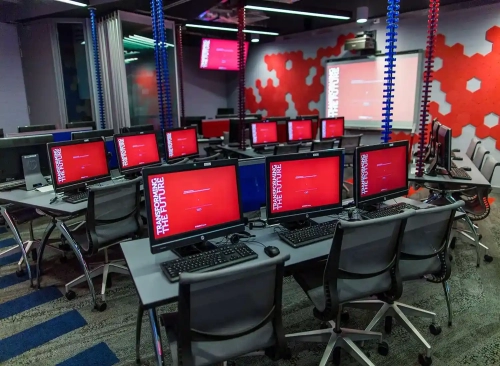
  • Classrooms: RMIT classrooms are equipped with the latest technology, including dual interactive displays, height-adjustable teaching points, and cameras for live streaming and recording. Specialist facilities include art rooms with special lighting, a print room with 3D printers, and dedicated STEM labs for physics, chemistry, and biology. 
  • Laboratory: RMIT University offers extensive laboratory facilities and programs, focusing on practical, industry-based learning for careers in healthcare and research, with popular courses like the Diploma of Laboratory Technology for technicians and the Bachelor of Laboratory Medicine (Hons) for medical scientists, training students in diverse fields like microbiology, biochemistry, and molecular diagnostics using state-of-the-art equipment in areas from advanced manufacturing to micro/nano research. 
  • ICT: PCs and Macs are available at each Library site, no booking required. Or you can connect your laptop to the wireless network.
  • Hospital: Whether you're looking for psychology and mental health support, osteopathy treatments, chiropractic care, or traditional Chinese medicine and acupuncture, the students and qualified staff at the RMIT Health Clinic can assist.
  • Place of Worship: The Multifaith and Wellbeing Centre, Building 47 at RMIT’s City campus is a purpose-built facility providing prayer rooms and spaces or students and staff of all faiths.
  • Accommodation: RMIT offers diverse housing, including on-campus and off-campus options such as purpose-built student apartments, private rentals, share houses, and homestays, with options for furnished/unfurnished, studios/shared rooms, and varying costs, plus support services through Student Welfare Advisors to help find secure, suitable places with easy city access. 
  • Gym: RMIT offers two main gym facilities: the RMIT Active Hub (City Campus) for general fitness with modern equipment, classes (Yoga, Zumba, Pilates) & PT, and the larger RMIT Sports Centre (Bundoora) featuring extensive cardio/weights, indoor courts (basketball, netball, badminton), squash courts, cycling studio, and group fitness, serving both campus and community needs with comprehensive fitness and sports options for students, staff, and the public.
  • Sports: RMIT offers extensive sports facilities, primarily at its Bundoora campus, including the Health, Sport & Aquatic Centre (50m pool, gym, climbing wall) and the RMIT Sports Centre (indoor courts for basketball, netball, badminton; 400m athletics track; cycling studio).
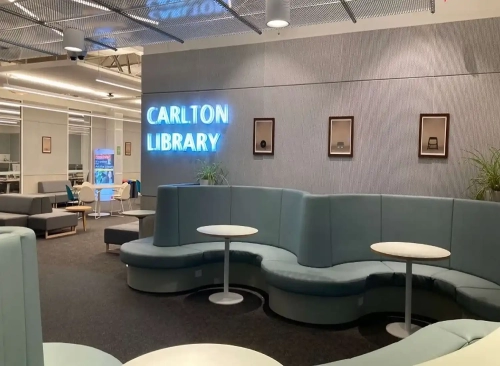
  • Library: The RMIT University Library offers extensive online & physical resources (databases, e-books, journals, special collections) for students, staff, alumni, and community visitors, featuring study spaces, Wi-Fi, and support services like 'Ask the Library' chat, focusing on accessible, high-quality research support across various disciplines.


School Contact

Address

124 La Trobe Street, Melbourne, Victoria, 3000

Phone Number

+ 61 3 9925 2000

Website Address

https://www.rmit.edu.au/

Accreditations

The Tertiary Education Quality and Standards Agency (TEQSA)

Vice Chancellor

Professor Alec Cameron

Prior to joining RMIT, Professor Cameron was Vice-Chancellor and Chief Executive at Aston University in the UK since 2016, during which time Aston was awarded University of the Year by the Guardian newspaper in 2020. Professor Cameron is a Rhodes Scholar (1986) with a Doctor of Philosophy from Oxford University in Robotics (1989). He is also a graduate of the University of Sydney with Bachelor’s... read more
degrees in Science and Electrical Engineering (with First Class Honours), and the University Medal. His early career involved executive roles at Telstra and Sun Microsystems. 


Academic Staff

  • Dr. Wim J.C. Verhagen

    Associate Professor Dr Wim Verhagen is an Associate Professor in the School of Engineering, teaching and researching in aircraft maintenance, with a particular focus on predictive maintenance and decision support. He is ... read more
    the Deputy Head of Department, Learning & Teaching, for the Aerospace Engineering department at RMIT University.
     
  • Dr. Sveta Angelopoulos

    Lecturer Sveta is an applied economist, and lecturer at RMIT University. As an educator, Sveta has coordinated and taught various economics courses at RMIT for over 20 years. She has extensive experience in co... read more
    urse development and delivery and is passionate about integrating world events and issues into her courses. Her teaching objective to engage students in their learning, encourage their curiosity and develop their critical thinking and problem-solving skills.


  • Zsuzsanna Csereklyei

    Associate Professor Associate Professor Zsuzsanna Csereklyei is an economist focusing on energy transitions, electricity markets and on the adoption of efficient technologies. Zsuzsanna has taught several courses in Macr... read more
    oeconomics (WU Vienna, RMIT), Energy Policy, Political Economy (LMU Munich), Econometrics (RMIT) and been awarded the Award of Excellence for her thesis by the Austrian Ministry of Science and Research, given for the best dissertations in the country. She has also worked for over eight years in leading management positions in industry and in consulting.


  • Dr. Tina Popa

    Senior Lecturer Dr Tina Popa is a Senior Lecturer at the School of Law, specialising in medical negligence compensation, no-fault systems, psychiatric harm, and non-adversarial justice approaches in tort and health l... read more
    aw. She earned her PhD exploring the litigation and mediation of medical negligence and mental harm claims. With postgraduate qualifications in psychology, she is developing a research focus at the intersection of law, psychology, and wellbeing in the legal profession.


View More Staff

Notable Alumni

View More Alumni

History

Established in 1887 by Francis Ormond, it is the seventh-oldest institution of higher education in Australia, a founding member of the Australian Technology Network (ATN), and a member of Universities Australia (UA).