ListOfUni

Université Laval (ULaval)

Quebec, Canada
Visit School Website
  • Public Type
  • 56,000 Students
  • 19 Faculties
  • 1852Founded
  • YesAccept Int. Studs
  • YesDistance learning

About

Université Laval, situated here in one of North America's oldest cities, is also the oldest university in Canada. It was also the first North American institution to offer courses in French, starting as a seminary in 1663 until its royal charter was received in 1852.

Acronym ULaval
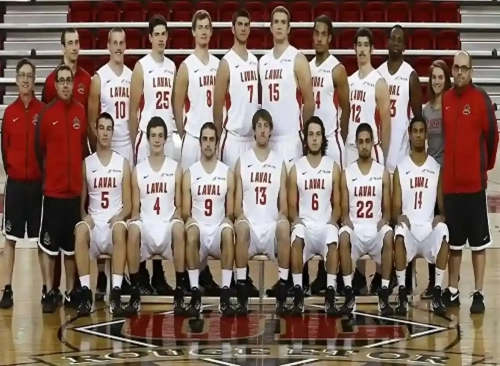
Nickname The Rouge et Or
Motto / Slogan By the grace of God, to no one equal
Colour Red and Gold
Founded 1852
Location Quebec, Quebec, Canada
Address 2325 University Street, Quebec City, Quebec G1V 0A6

Mission

Driven by a deep-seated culture of sustainable development, Université Laval educates engaged and creative students, model citizens, scientists, and business leaders who have an important impact on the direction that society takes.

Vision

The community is committed to providing a one-of-a-kind student experience and cultivating a bold, open, and resolutely interdisciplinary scientific culture focused on the challenges facing our world. We strive to be a humanist university dedicated to promoting the arts and training a new generation of leaders eager to tackle the biggest challenges of society
Université Laval

Objectives

Université Laval pursues its mission of education and research in accordance with the following values:

  • Responsibility
  • Respect
  • Courage
  • Integrity
  • Inclusion
  • Solidarity


Main Academic Divisions (Faculties)

  1. Faculty of Agriculture and Food Sciences. FSAA.
  2. Arts and Humanities. FLSH.
  3. Business Administration. FSA.
  4. Dental Medicine. FMD.
  5. Education. FSE.
  6. Forestry, Geography and Geomatics. FFGG.
  7. Graduate and Postdoctoral Studies. FESP.
  8. Law. FD.
  9. Music (FMUS). 
  10. Medicine (FMED)
  11. Nursing (FSI)
  12. Pharmacy (FPHA)
  13. Philosophy (FP)
  14. Planning, Architecture, Art and Design (FAAAD)
  15. Science and Engineering (FSG)
  16. Social Sciences (FSS)
  17. Theology and Religious Sciences (FTSR)
  18. Graduate School of International Studies (ESEI)


Reasons to Study at Université Laval

  1. Extensive program offerings

    Université Laval provides more than 500 undergraduate, graduate, and doctoral programs across various fields like business, law, engineering, humanities, and arts.


  2. Business incubator

    Entrepreneuriat Laval, a business incubator, helps students develop business plans and has a history of supporting student-created companies and securing funding.

  3. Cultural immersion

    Being located in Quebec City, it offers an ideal environment for those who want to immerse themselves in a French-speaking culture, even if some courses are offered in English. 


  4. Picturesque and Safe Campus

    The North American-style campus in Quebec City is safe, welcoming, and features extensive green spaces, woodlands, and a network of underground tunnels for easy indoor travel during winter.

Fees

Undergraduate Tuition

International Students CAD 10,736 - CAD 13,397

Postgraduate Tuition

International Students CAD 10,736 - CAD 13,708

Admission

Undergraduate Admission Requirement

View the admission requirements page for detailed information on the general entry requirements, the course specific requirements and qualification equivalences for your country, and the accepted French language proficiency test.


Supporting Documents

  • Official transcripts (An official translation in French or English is required for all documents written in a language other than French, English or Spanish).
  • Upon arrival, international applicants must present their passports, or study permits for the purpose of confirming their dates of birth.


Postgraduate Admission Requirments

View the admission requirements page for detailed information on the general entry requirements, the course specific requirements and qualification equivalences for your country, and the accepted French language proficiency test.


Supporting Documents

  • Résumé, description of work/life experience, letter of interest, and research project proposal as described in the program description.
  • Upon arrival, international applicants must present their passports, or study permits for the purpose of confirming their dates of birth.
  • Legible copy of transcripts from your university studies or additional studies undertaken after completing your pre-university education.
  • Legible copy of diplomas or degree certificates, once awarded, or official transcripts showing the name of the diploma received.
  • 3 copies of the Report on the Applicant: If you are applying for a doctoral program, have 3 of your professors or employers complete and submit the Report on the Applicant. If you are applying for a master’s programs, you are only required to provide the Report on the Applicant if specifically stated in the program description.


How To Apply For Admission

Applications are made online via the Application Portal.

Apply For Admission
Campus Tour

Facilities

  • Classrooms
  • Library
  • Laboratory
  • Research Center
  • Accommodation
  • Sports
  • Gym
  • ICT
  • Cafeteria
  • Classrooms: Active learning classrooms use features like glass walls for writing notes and large projection screens at each table to promote collaborative learning, interaction, and innovative educational approaches. ULaval has a number of these classrooms in different faculties and at the library. They are stimulating spaces where students can take charge of their own learning process.
  • Library: The library specializes in all fields taught at ULaval and is one of the largest in Canada. It houses millions of documents and provides access to thousands of electronic resources through its website. A number of newly renovated study spaces are also available for students to use. 
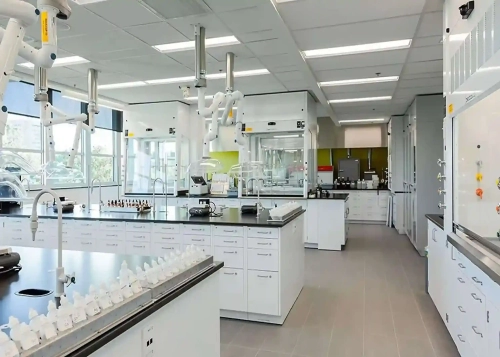
  • Laboratory: ULaval has numerous laboratories across various fields, including wood anatomy, robotics, optics, and nutrition. The university has a dedicated research center for optics, photonics, and lasers, as well as specialized labs for robotics, nutrition, and materials science. 
  • Accommodation: The on-campus student residences at Université Laval are a safe, welcoming, and affordable housing option that provide a great study environment and great value. By choosing to live in one of the four residence halls, one of which is for women only, you will experience a real community feel in close proximity to all campus services.
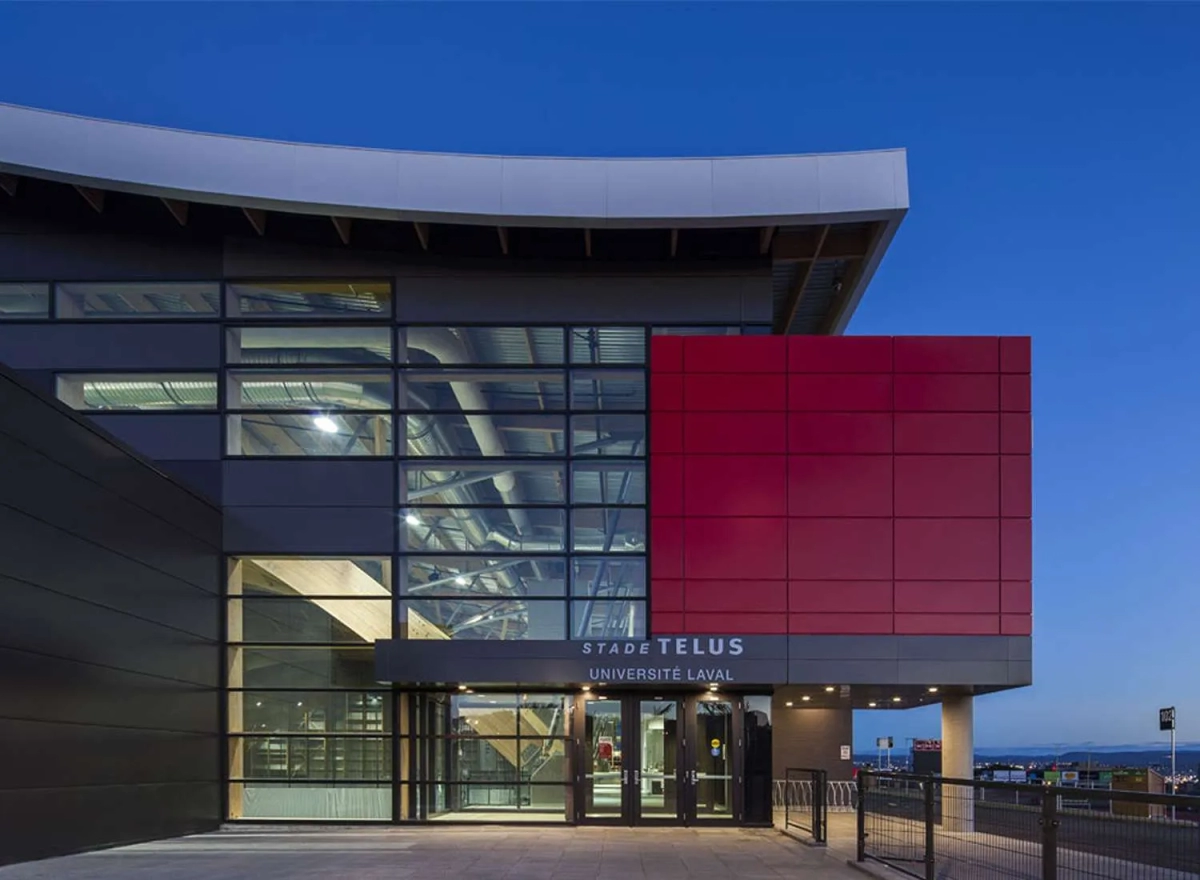
  • Sports: ULaval has extensive sports facilities, including the large PEPS complex with two Olympic-sized pools, a covered stadium, an indoor playing field, and outdoor trails. The campus also has a rock-climbing center, athletic tracks, and various outdoor sports courts, making it a major hub for athletic activities in Eastern Canada. 
  • Gym: Université Laval, offers a vibrant space for fitness enthusiasts and students alike. Known for its welcoming atmosphere and affordable pricing, the gym features various facilities including cardio equipment, swimming pools, and areas designated for different activities. While it caters well to general fitness seekers with numerous options available, some athletes may find the equipment limited during peak hours.
  • Cafeteria: You'll also find plenty of restaurants with a diverse assortment of menus for every budget within a few minutes' walk of the campus.


School Contact

Address

2325 University Street, Quebec City, Quebec G1V 0A6

Phone Number

418-656-2131

Website Address

https://www.ulaval.ca/

Accreditations

AACSB International and EQUIS

Vice Chancellor

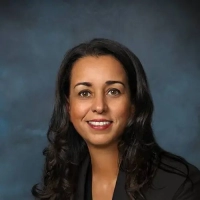
Sophie D'Amours

Professor Sophie D'Amours is the first woman and the 26th person to hold the position of rector of Université Laval in Quebec City. Elected in 2017, she was re-elected for a second term in 2022. Sophie D'Amours is a mechanical engineer. She holds a master's degree in business administration from Université Laval as well as a doctorate in engineering mathematics from École Polytechnique de Montr... read more
éal. Having served as a professor in Université Laval's Department of Mechanical Engineering since 1995 and as the University's vice-rector of research and innovation from 2012 to 2015,?she has a wide range of experience in higher education, research and university management, both home and abroad.  


Academic Staff

  • André Darveau

    Executive Vice Rector and Vice Rector André Darveau holds a bachelor’s degree in microbiology from Université Laval, a master’s degree in virology from INRS, and a Ph.D. in biochemistry from McGill University and completed post-doct... read more
    oral studies at the University of California at San Francisco and the Howard Hughes Medical Institute. He joined Université Laval in 1994 as an assistant professor and has served as director of the Department of Biochemistry, Microbiology and Bioinformatics and vice dean of research and dean of the Faculty of Science and Engineering.
  • Abdoulaye Anne

    Professor Abdoulaye Anne is an educational sociologist interested in issues of quality and relevance in education. He is an associate professor in the Department of Foundations and Practices in Education in the... read more
    Faculty of Education.


  • Fannie Lafontaine

    Professor Fannie Lafontaine is a lawyer, full professor in the Faculty of Law, and Canada Research Chair in International Criminal Justice and Human Rights. She is co-director of Centre de droit international e... read more
    t transnational at Université Laval. She is the founder and co-director of the International Criminal and Humanitarian Law Clinic, recipient of the tribute to social innovations award from Université Laval. 
  • Geneviève Parent

    Professor Full Professor, Faculty of Law, Legal Research Chair in Food Diversity and Security. Professor Parent's areas of interest include food security and national and international agri-food law. Her resear... read more
    ch focuses on national and international legal means to ensure agricultural and food diversity, the analysis of the impact of international law on Canadian and Quebec agri-food legislation, and the search for greater coherence between international economic law and other spheres of law to promote sustainable global food security.
  • Julia Grignon

    Professor Julia Grignon is a professor at the Faculty of Law of Université Laval, where she teaches international humanitarian law, international human rights law, and international refugee law. She is one of ... read more
    the co-directors of the International Criminal and Humanitarian Law Clinic (ICCHR) and a co-founder of Interdisciplinary Research Centre on Africa and the Middle East (CIRAM). 
View More Staff

Notable Alumni

View More Alumni

History

Université Laval can trace its roots to 1663, when Monsignor de Laval founded Séminaire de Québec to train the colony’s priests. After New France was conquered by the British in 1759, Séminaire de Québec began teaching the liberal professions as well.

In the mid-19th century there was a growing need for university-level education. The English-speaking population already had five institutions of higher education to choose from, but there were none for French speakers. To address this deficiency, in 1852 Queen Victoria signed a royal charter giving the Séminaire de Québec the right to “confer degrees” and “all the rights, powers, and privileges of a University.” And thus... read more

Université Laval was founded.

In 1878 Université Laval opened a second campus, in Montréal. That campus would become independent in 1920 and take the name of Université de Montréal.