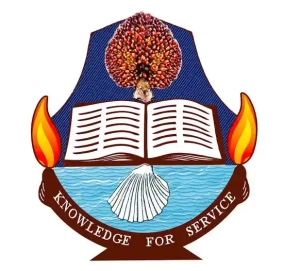
University of Calabar grew out of the Calabar campus of University of Nigeria (UNN), Nigeria which began functioning during the 1973 academic session with 154 students and a small cadre of academic, administration and professional staff. Founded in 1975 under the National Higher Education Expansion Programme of the Federal Military Government, the University of Calabar ranks among the leading and largest of Nigeria's second generation universities. It witnessed phenomenal physical, academic and staff growth in its first decade of existence. Those were the halcyon days of the petroleum revenue boom, the third quinquennial National Development Plan.
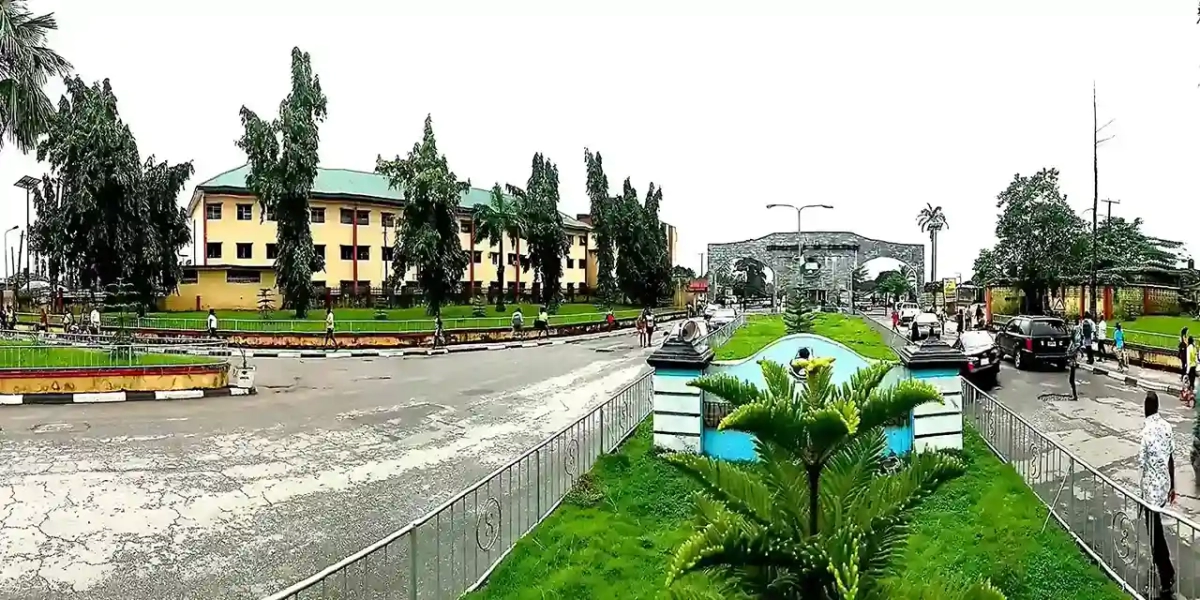
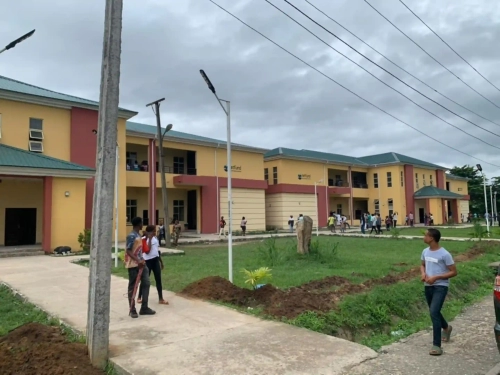
From its nucleus on the Duke Town Campus, the University rapidly expanded into a busy academic community that is housed in a vast constellation of modern academic blocks, students' residential halls and staff quarters. The student population rose from 896 in 1976, spread in the Faculties of Arts, Science and Social Sciences to over 30,000 full-time and part-time degree, and diploma students in the 2001/2002 session. By the 2003/2004 session, some diploma programmes were phased out. Currently, the student population stands at 40,645.
| Acronym | UNICAL |
| Nickname | Malabress |
| Motto / Slogan | Knowledge for Service |
| Colour | Red, Yellow |
| Founded | 1975 |
| Undergraduate Programmes | |
| Postgraduate Programmes | 50 |
| Departments | 116 |
| Location | Calabar Municipal, Cross River, Nigeria |
| Address | Etagbor, PMB 1115, Calabar, Cross River State, Nigeria |
To produce high-quality graduates and scholars in focal areas of learning with theoretical, practical, and entrepreneurial skills for the world of work in a conducive environment through quality research and teaching.
To be a centre of excellence producing globally competitive graduates and contributing significantly to development through research.
To encourage advancement of knowledge and learning and provide liberal education opportunities.
To provide courses and facilities for the pursuit of learning in all fields.
To promote scholarship and research in all disciplines.
To align university activities with Nigeria's social, cultural, and economic needs.
To undertake other activities appropriate for a high-standard university.
Candidates are to make a Non-refundable payment of Two Thousand Naira N2,000 only only through the following options available:
E-transact option:
This option is available in all commercial banks nationwide. At the bank your are required to pay and obtain an E-transact PIN. With the PIN log into the portal http://www.myunical.edu.ng and click on the UTME Admission Screening link then log in with your CONFIRMATION ORDER NUMBER and follow the instructions on the portal after login.
Buy Post-UTME Pin Online option:
This option gives access to purchase Post-UTME pin from the portal. Click Buy Post-UTME Pin Online to purchase the Post-UTME pin online. Login with the TRANSACTION ID as the PIN into the portal.
On obtaining the printout from the bank or online, proceed as follows:
Email: [email protected]
Phone : +234-701-985-2501, +234-818-362-6190

National Universities Commission(NUC)
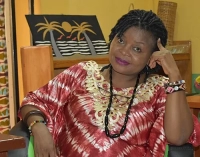
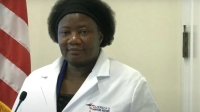
The Vice-Chancellor (VC) of the University of Calabar (Unical) is Professor Florence B. Obi. She is a Nigerian academic and author, specializing in the psychology and special needs education aspects of psychology, and she is the 11th substantive Vice-Chancellor, as well as the first woman to hold the position in the institution's history,
As a Federal institution, the University strives to bring about an atmosphere conducive to patriotic interaction between people from all parts of the world including Nigerians from all States and language groups.
Therefore, all States of the federation are represented in the student population of the Institution.
On academic programming, the University adopts a flexible and forward-looking attitude. Thus, from its inception, the University adopted the four-year integrated degree programme based on the semester, and course system in the Faculties. The University also makes conscious use of local materials for instructional purposes, in the sincere effort to make her programmes relevant to the needs of Nigeria. Though not responsible to Cross River State in which it is located, the University is responsive to the genuine aspirations and interests of her immediate community and interacts freely with that community through her programmes in Adult and Continuing Education, comprehensive health scheme, as well as symposia, seminars and workshops organized frequently on and off-campus.