Polytechnique Montréal is one of Canada's largest engineering schools, affiliated with the Université de Montréal. It offers undergraduate and graduate programs in various engineering disciplines and is known for its research activities
| Acronym | Poly |
| Nickname | Polytechnique Montréal |
| Motto / Slogan | As the extension, so the force |
| Colour | Red and Black |
| Founded | 1873 |
| Departments | 12 |
| Location | Montreal, Quebec, Canada |
| Address | 2500, chemin de Polytechnique Montréal (Québec) H3T 1J4 |
Polytechnique Montréal aims to train engineers and specialists in applied sciences, contributing to the scientific and economic development of the region.
To be a leading center of engineering education and research, recognized internationally for its contributions to science and technology.
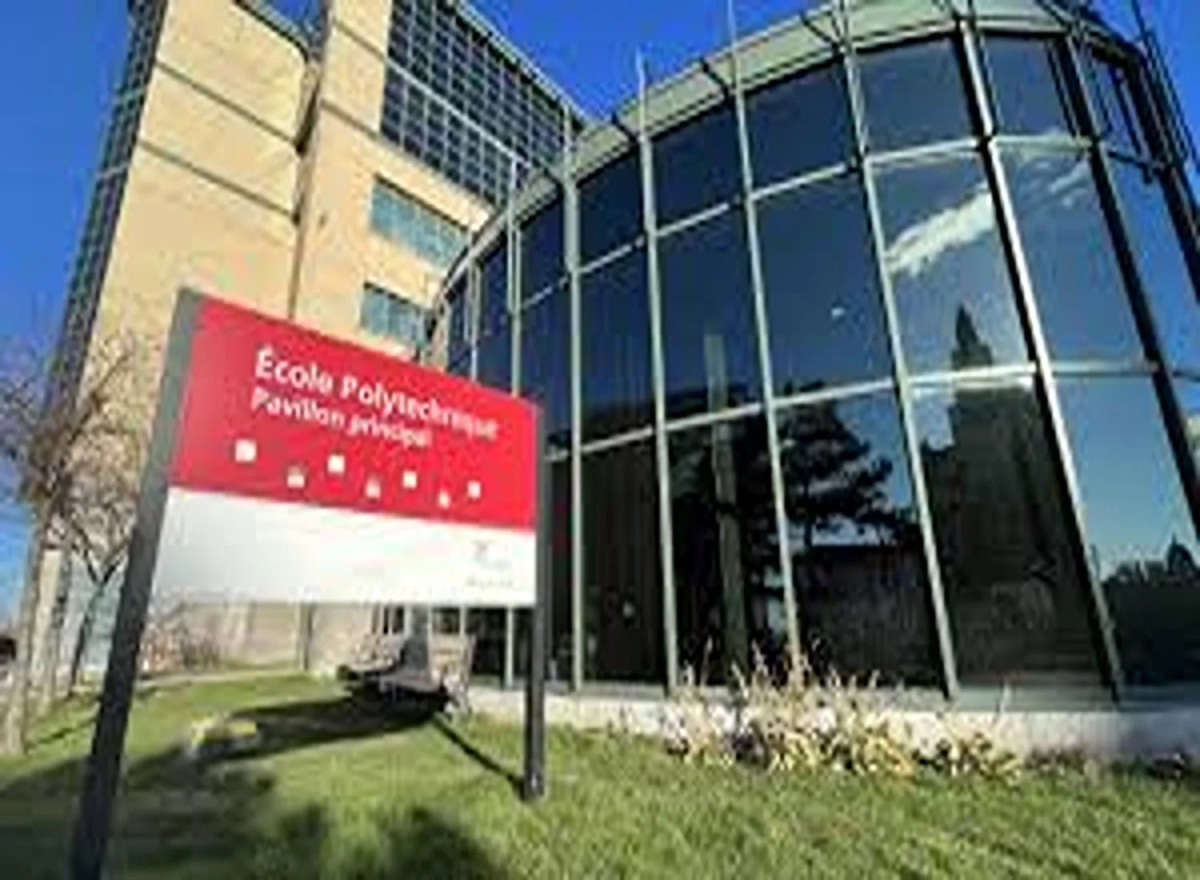
At Polytechnique, student success, both personal and academic, is a priority. From recruitment to graduation, a variety of services support you. Student Services (SEP) offers resources for academic and personal growth, while the Internships and Careers Service (SSE) assists with internships and job searches. For aspiring entrepreneurs, the Entrepreneurship Support Service and PolyFab provide guidance and access to advanced manufacturing and prototyping technologies.
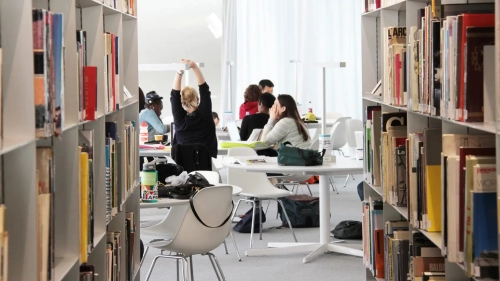
These buildings provide a modern, vibrant learning environment with advanced classrooms, state-of-the-art research facilities, and creative spaces like PolyFab Normand Brais. Students enjoy collaborative work areas, computer labs with diverse software, and the Louise-Lalonde-Lamarre Library—one of Quebec’s largest in science and engineering. Coopoly offers school and tech supplies, while various food counters ensure a comfortable, enriching university experience.
Polytechnique Montréal is one of Canada’s leading engineering research institutions, with an annual research budget of $109 million. It drives innovation through eight areas of excellence and advanced research infrastructure—some unique in Canada. Nearly 2,500 graduate students (DESS, professional master’s, research master’s, and PhD) benefit from the expertise of renowned professors and cutting-edge facilities that foster the next generation of scientists and engineers.
Montreal, consistently ranked among the world’s top student cities by QS, is a vibrant hub of knowledge, innovation, and technology with a dynamic job market. It attracts students globally thanks to its welcoming, safe, and inclusive environment, extensive transport network, affordable living, four seasons, abundant cultural and sporting events, green spaces, cultural diversity, and bilingual population.
Entry requirements vary by course. Please check the requirements for your course on the admission page.
Entry requirements vary by course. Please check the requirements for your course on the admission page.
International Students:
Diplomas required for admission to the DESS or master’s program are eligible only if they entail a minimum of four years’ education following completion of secondary school, even if this is not specified. Diplomas required for admission to the PhD program are eligible only if they entail a minimum of six years education following completion of secondary school, with the exception of an engineering degree, for which only five years and an excellent academic record with a minimal average of 3.2/4.0 are required.
Language Requirements
Polytechnique is an international-calibre francophone University. The language of teaching is French, so a minimum knowledge of the language is required to ensure smooth integration into the academic and social milieu.
Language requirements vary depending on the program you wish to apply for:
Unless you come from a country or a university allowing a language test exemption, language test results must be provided with other required documents as soon as you submit your application.
Phone : +1 (514) 340-4724
Apply For Admission
Holding a bachelor's degree in industrial engineering from Polytechnique Montréal (Po 1996), an MBA from HEC Montréal (2004) and a certified corporate director from the College of Corporate Direct... read more
From 2014 to 2022, Maud Cohen served as President and CEO of the CHU Sainte-Justine Foundation. In this role, she ensured the Foundation's continued growth, thereby mobilizing the community and supporting CHU Sainte-Justine in its mission to heal more and more mothers and children, and to improve their quality of care. Prior to this, from 2009 to 2012, she served three consecutive terms as President of the Ordre des ingénieurs du Québec (Order of Engineers of Quebec), becoming only the third woman to hold this position since the organization's founding in 1920.
Admitted to the Quebec Bar in 2004, she began her career at a national firm where she practiced commercial, civil, and administrative litigation. Ms. Paquette subsequently worked as legal counsel in the litigation department of a public body and a professional order before joining the Office of the Secretary General of Polytechnique Montréal in 2014 as legal counsel and assistant secretary general. From 2019 to 2022, she served as Director of Legal Affairs and Assistant Secretary General, concurrently holding the position of interim secretary general in 2020.
Mr. Langlois began his career at Polytechnique as an associate professor in 2005 and was promoted to full professor in 2014. He has been a member of several institutional and departmental bodies and committees, including the Academic Council, the Teaching Advisory Committee, and the Resource Committee. He also served as a departmental advisor to the Polytechnique Faculty Association.
Mr. Langlois was Director of the Department of Computer Engineering and Software Engineering from January 2016 to May 2022. During this term, he served as a member of the Executive Assembly, and, for various periods, as a member of the Executive Committee, the Budget Committee, and several other committees.
His ability to work with a wide range of stakeholders and his diverse management expertise will be invaluable in providing strategic guidance to the Administration and Resources department. His expertise will also make a significant contribution to the rollout of the 2024-2028 strategic plan.
As a manager with 23 years of experience who has served on various governing bodies and committees at Polytechnique Montréal and other organizations, Professor Frigon is known for his solution-focused approach.
In 1895, Polytechnique was incorporated and given administrative and financial autonomy based on a provincial charter. When Université de Montréal obtained a charter in 1920, École Polytechnique was affiliated with the university without relinquishing it... read more