
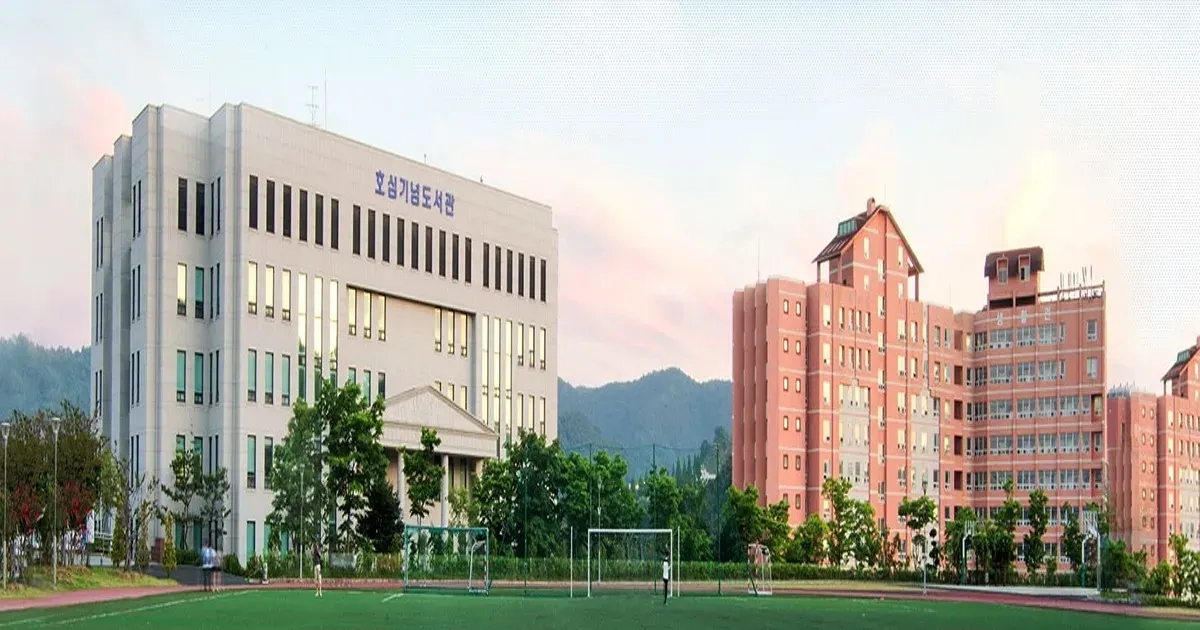
Gwangju University is a private university located in Gwangju, South Korea. Established in 1980 by Dr. Kim In-Kon, the university is committed to producing honest, competent, and globally competitive graduates through quality education, practical training, research, and industry collaboration. It offers undergraduate and graduate programs across a wide range of disciplines and is recognized for its strong student support services, entrepreneurship initiatives, and international partnerships.
| Acronym | GU |
| Motto / Slogan | Liberty, justice, creativity |
| Founded | 1980 |
| Location | Nam, Gwangju, South Korea |
| Address | 277 HYODEOK-RO, NAM-GU, JEONNAM-GWANGJU, KOREA 61743 |
To cultivate talented individuals with sound character, rational thinking, and practical skills who contribute to the local community, the nation, and the global society. The university fulfills this mission by providing high-quality, student-centered education, fostering creativity, innovation, and practical competence, promoting ethical values and social responsibility, supporting research, entrepreneurship, and community engagement.
Gwangju's history reflects its enduring commitment to democracy, human rights, and peace. From the Righteous Army movement during the late Joseon Dynasty to the Gwangju Student Independence Movement and the 1980 May 18 Democratization Uprising, the city has played a pivotal role in Korea's democratic journey. In 2011, the May 18 Archives were inscribed on UNESCO's Memory of the World Register, recognizing their global historical significance.
Gwangju, known as the "Home of the Arts," is celebrated for its rich cultural heritage and renowned artists, including IM Bang-ul, HUH Baek-ryun, JUNG Yul-seong, and PARK Yong-chul. The city hosts world-class events such as the Gwangju Biennale and Gwangju Design Biennale and is home to the Asia Culture Center. It has also successfully hosted major international sporting events, strengthening its reputation as a global hub for culture, design, and youth exchange.
Gwangju is South Korea's second-largest automotive production city and home to the KIA Motors Gwangju Plant, which produces about 620,000 vehicles annually. The city is developing an eco-friendly automotive industrial cluster to support the production of green vehicle components and innovation. Through the "Gwangju-style Jobs" initiative, it promotes collaboration among workers, employers, residents, and government to advance sustainable automotive manufacturing.
Gwangju is developing into a leading smart energy hub through the Energy Valley initiative, centered on Bitgaram Innovation City and KEPCO. The project promotes renewable energy innovation by attracting energy companies, investing in research and development, building specialized industrial complexes, and developing skilled talent. Through strong collaboration among government, industry, and research institutions, Gwangju is driving Korea's clean energy future.
Graduation from a high school or the equivalent.
Language Requirements:
TOPIK Level 3 or higher
Graduation from university and bachelor’s degree holder.
Language Requirements:
TOPIK Level 3 or higher
Apply through Gwangju University's international admissions process and submit the required documents to the Office of International Affairs. The office specifically manages applications from international students.
Email: [email protected]
Phone : +82-62-670-2858, +82-62-670-2288

Korea University Accreditation Institute (KUAI): Gwangju University first earned institutional accreditation in 2012. After subsequent evaluations, it currently holds accreditation for the 2023–2027 period, confirming that it meets Korea's national standards for higher education quality.
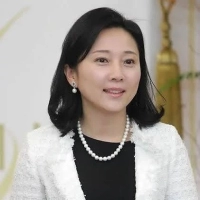
As university president, Kim Hyuk-Joong is responsible for overseeing the institution's overall direction, including its academic strategy, administration, research initi... read more



2016
2015
2014
2013
2012
2011