
Hanyang University is a private research university in South Korea. The main campus is in Seoul, and the second one, the Education Research Industry Cluster at Ansan, or ERICA campus, is located in Ansan. Hanyang (??;??) derives from the former name of the capital Seoul which was used during the Chosun Dynasty. Its motto and educational philosophy is Love in Deed and Truth.
The university established the nation's first engineering institute (DongA Engineering Institute) in 1939 which became the founding facility of Hanyang University. It also established the first school of architecture and civil engineering in Korea.
Hanyang University has an alumni network of 400,000 that is not limited to the field of engineering but also to other fields. In 2022, Hanyang was ranked 1st for the number of CEO alumni of venture companies. In 2027, QS World University Rankings ranked Hanyang University 155th.
The university welcomes over 7,400 foreign students each year and more than 3,000 students study abroad annually. HYU counts the Massachusetts Institute of Technology, University of Cambridge, and Tsinghua University among its 820 partner universities in 88 countries.
| Acronym | HYU |
| Nickname | Lions |
| Motto / Slogan | Love in Deed and Truth |
| Colour | Blue and Gray |
| Founded | 1939 |
| Location | Ansan, Gyeonggi, South Korea |
| Address | 55 Hanyangdeahak-ro, Sangnok-gu, Ansan, Gyeonggi-do, 15588, Korea |
Practicing
‘Love in Deed
and Truth’
The founding spirit of Hanyang University is to educate and train students to understand and to love one another, based upon virtues of diligence, honesty, humility and service, to heighten the noble spirit of learning, and to become men and women who work not only for themselves but also for the nation and its people, and further, for all mankind.
Hanyang’s founding principle adheres to Article 2 of South Korea’s Framework Act on Education, which is the nation’s traditional philosophy of Hongik Ingan—the universal welfare of mankind. The university not only fosters sophisticated skills for independent thinking and groundbreaking research, but to cultivate leaders whose outstanding abilities are matched with strength of character.
Fostering
Knowledge
and Wisdom
The greatest and most noble challenge is to educate members of our great society to make a positive difference in the world.
This would be the true value of education. Everyone hopes to live a meaningful life and enrich their lives by developing their potential and achieving self-fulfillment. Education is to help people achieve these aspirations through the process of teaching and learning. Education may be presented in many different ways. Knowledge can be found or wisdom may be induced. However, the most desirable education can be obtained from the integration of knowledge and wisdom.
The person with a harmonious personality and character who has integrated knowledge and wisdom could be called ideal. The founding philosophy of Hanyang is to foster these human and maximize happiness in life. Indeed, is this kind of education ideals. No other things could be true, kind, and wonderful than love.
Four virtues: diligence,
honesty, humility
and service
We should really practice love, rather than just know that we should love the others, and be satisfied with it. Hanyang has always tried to teach students the value of love and enrich individual lives, society, and the nation.
Hanyang students are respected to be considerate of others and choose the right things for them. This is the fruit of the education ideals, to “love in deed and in truth.” Hanyang realizes this philosophy through the four virtues of diligence, honesty, humility and service.
Moved to Action
Hanyang aims to promote student success through academic and intellectual excellence in concert with aspiring to whole-person development. Our graduates should recognize the great privilege of the opportunity for higher education, and use the precious resources they have attained through their university education to be professionals who are humble, true, and ready to serve their respective local and global communities.
A common thread in all of our tireless pursuit for excellence and high achievement is to live up to our motto to “love in deed and in truth.” As professionals of the highest caliber, our graduates will continue to be compelling influences in their respective fields, e.g. politics, finance, social work, and the arts, and enrich the world we live in. Our relentless strive for such transformational impact on the world stage is rooted in our founding principle of committing to “love in deed and in truth” with the ultimate aim of promoting public good.
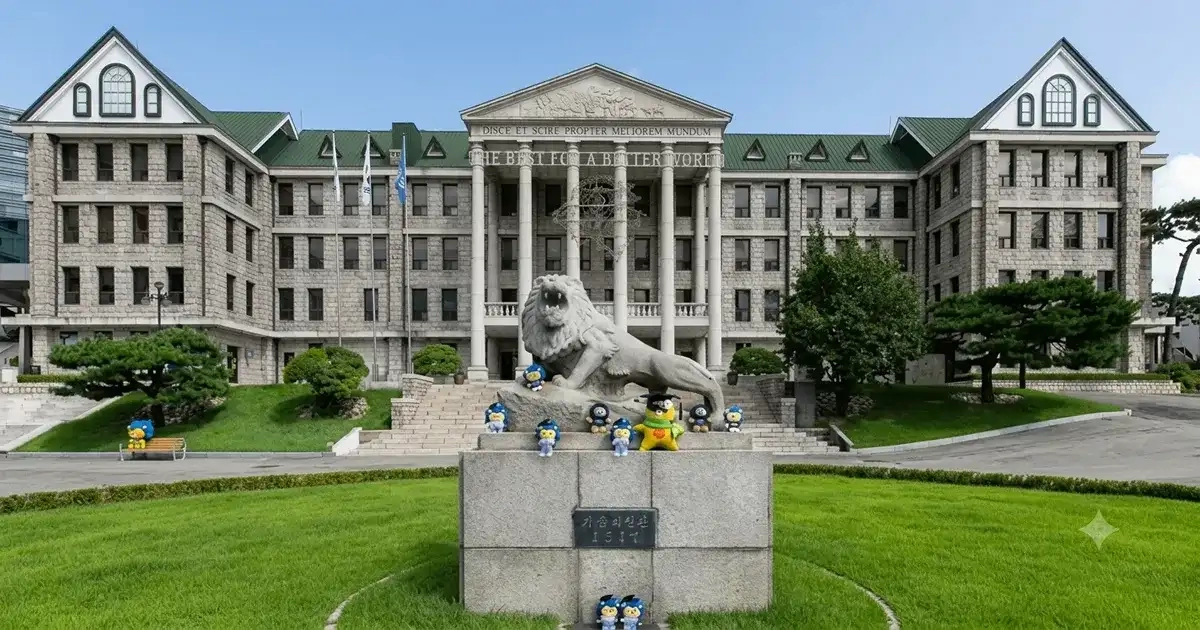
Seoul Campus (16 Colleges)
Admission requirements vary by program. View the program page for specific requirements.
These are the general requirements for international admissions. Individual colleges or graduate schools at Hanyang University may have additional prerequisites, so applicants should also review the specific requirements for their intended program.
Admission requirements vary by program. View the program page for specific requirements.
These are the general requirements for international admissions. Individual colleges or graduate schools at Hanyang University may have additional prerequisites, so applicants should also review the specific requirements for their intended program.
Online Application
Email: [email protected]
Phone : 82-2-2220-2444~2451, 82-2-2220-0224~8
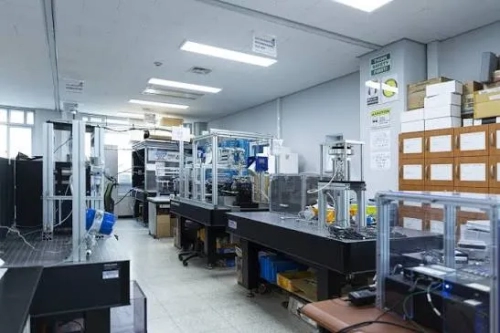
Korean Ministry of Education, AACSB (Business), ABEEK (Engineering), with strong international recognition through QS and Times Higher Education rankings.



During Korea's rise from its status as a relatively poor and underdeveloped nation to a ... read more
In addition, the educational objectives at Hanyang are more than pragmatic; the university also strives to encourage students to become responsible and well-rounded citizens with an awareness of their cultural heritage, through various required courses ranging from history to civil services.
Throughout an unstable and violent period including the final years of the Japanese occupation, Korean War, years of rapid economic development and the democratization of Korea, Hanyang has striven to maintain its identity as a bastion of education and practical research. Furthermore, the fact that Hanyang has been growing at virtually every level, from its student population to departments, and the addition of the Ansan campus, south of Seoul, indicates Hanyang's determination to serve as an institution of higher education, despite difficult circumstances.