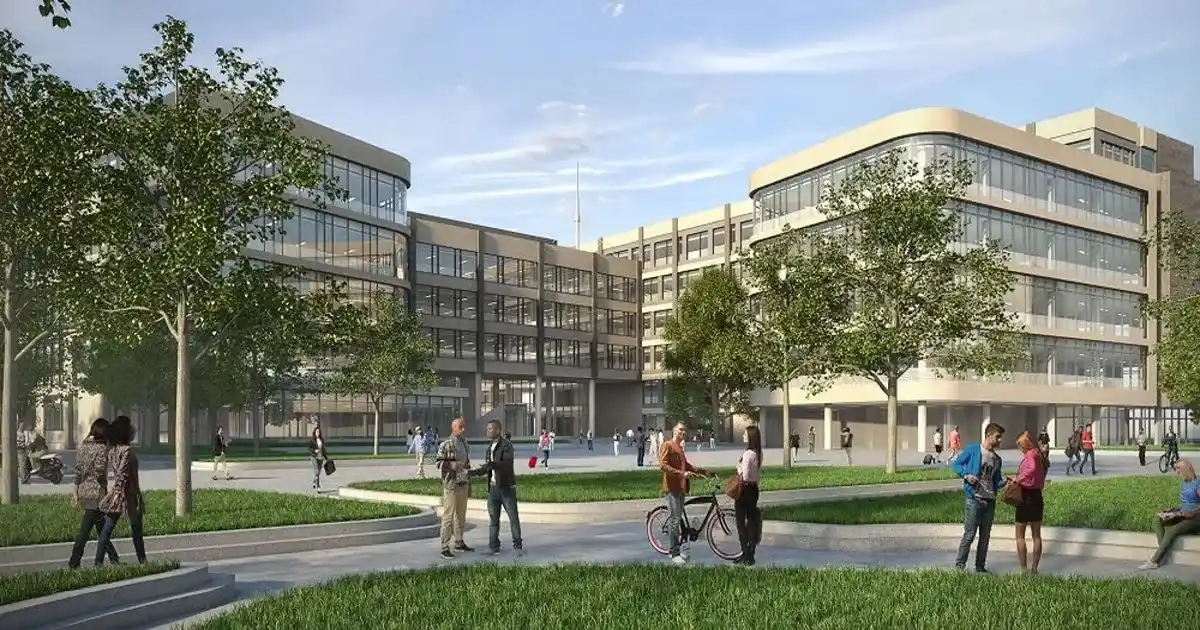
Deeply embedded in our region, TU Dublin has campuses in Dublin City Centre in Grangegorman, Aungier Street and Bolton Street, and one each in Blanchardstown and in Tallaght, and, through our major infrastructural development plan, we are currently investing over €500 million in new, state-of-the-art, technology-enabled facilities to enhance our students' experience.
While TU Dublin is already a leader in STEM disciplines, the University also supports the largest cohort of students of business, media, culinary arts, and the creative and performing arts. We are passionate about life-long learning and, as the largest provider of part-time education, we make an important contribution to the economic life of Ireland, enabling capacity building for the future.
Creating a Better World Together – TU Dublin is Ireland’s first Technological University and Dublin’s second-largest university, with 28,000 students across five campuses in Grangegorman, Blanchardstown, Tallaght, Bolton Street, and Aungier Street. TU Dublin is a national leader in STEM, engineering, creative arts, and business education, combining academic excellence with real-world application through a practice-based, employer-engaged model of learning.
At TU Dublin, education goes beyond the classroom. Through deep collaboration with over 800 industry partners, students benefit from co-designed programmes, live projects, internships, apprenticeships, and authentic, work-focused learning environments. This hands-on approach empowers students with the skills, confidence, and experience needed to thrive in a dynamic, global workforce.
Our distinguished researchers and innovators are pioneers in science and technology discovery, play active roles in informing policy and standards, and contribute to the creative life of Ireland. Our award-winning technology transfer and business incubation activity has delivered over 400 new sustainable businesses with an economic value of almost €700 million.
TU Dublin is also a global sustainability leader. Its strategic commitment to inclusive, future-focused education and research earned it a Gold STARS® accreditation from the Association for the Advancement of Sustainability in Higher Education (AASHE) and a global ranking of 17th out of nearly 600 institutions worldwide.
With an international outlook, we welcome students and staff from around the world, while our strong international partnerships provide opportunities for student and staff exchange programmes, major cross-collaboration research projects, and employment opportunities. With over 7,000 graduates each year, TU Dublin is shaping a better world through collaborative education, cutting-edge research, and meaningful community engagement.
| Acronym | TU Dublin |
| Nickname | TU Dublin |
| Founded | 2019 |
| Location | Dublin, Leinster, Ireland |
| Address | TU Dublin Park House Grangegorman 191 North Circular Road D07 EWV4 Ireland |
The Estates & Facilities Office is at the heart of everything TU Dublin does and it strives to support both staff and students in realising the goals of the University.
We provide a wide range of services that directly and indirectly enhance the day-to-day experience of all users of TU Dublin’s facilities across its multiple campuses. We strive to provide these services in the most efficient and effective manner possible.
The Estates & Facilities Office is at the heart of everything TU Dublin does and it strives to support both staff and students in realising the goals of the University.
We provide a wide range of services that directly and indirectly enhance the day-to-day experience of all users of TU Dublin’s facilities across its multiple campuses. We strive to provide these services in the most efficient and effective manner possible.
The emphasis of the TU Dublin student experience is on practice, with a range of opportunities in the curriculum applying theory to real-world challenges through problem-based learning, active citizenship, work-placement opportunities, project work, active learning, community-based learning, research and engagement with contemporary practitioners. New Data confirms TU Dublin as the top choice for employability in Dublin.
The new University, one of the largest third-level educators in Ireland, provides inclusive and open learning experience offering pathways to graduation, from foundation to undergraduate to PhD, to students from all over the world. Publicly-funded, TU Dublin is a member of the European University Association.
Offering over 200 programmes to students from more than 85 countries, across disciplines including Creative Arts, Humanities, Built Environment, Engineering, Business, Sciences, Tourism, Food and Sports, TU Dublin is also the only university in the country that offers specialist programmes in, for example, Optometry, Human Nutrition, Transport & Logistics, , Environmental Health and Tourism Marketing.
University is not just about academic learning, and with a wide range of societies and sports clubs, TU Dublin students have plenty of opportunities to enjoy a vibrant campus life. Our dedicated international office staff ensure that International students are supported throughout their studies, so they can fully embrace university life in Dublin. With small class sizes, students enjoy a close working relationship with fellow students and academic supervisors.
All of our degrees are recognised internationally and as an autonomous, doctorate-awarding institution, TU Dublin is proud of its excellent reputation. We have many international partnerships and offer exchange opportunities in most disciplines. In 2020, TU Dublin and its European partners in the EUt+ Consortium was selected by the EU Commission to create the European University of Technology.
There is a €50 non-refundable application fee.
Applicants are required to pay a minimum of 50% (or €6000, whichever is greater) of the year's tuition fee to guarantee their place on the programme. The remainder can be paid in installments but must be paid in full before the end of January (for September start programmes) or the end of May (January Start programmes).
At TU Dublin, your entry requirements reward academic achievement as well as taking into account your individual circumstances. As we receive applications from all over the world, and each country sits different exams, it means that each application is given individual attention.
Please note these are general guidelines. Meeting minimum entry requirements does not guarantee entry to any course. Actual requirements will vary depending on your chosen course of study. Please refer to the individual programme page for detailed entry requirements.
We welcome EU Applicants with high-school qualifications from a European Union or European Free Trade Association country. Information on entry requirements can be found on our CAO hub: EU Applicants | TU Dublin
Apply through the International Admissions Office if you meet either/or of these criteria:
Please refer to the individual course pages for specific course entry requirements. Please note these are general guidelines. Meeting minimum entry requirements does not guarantee entry to any course. Actual requirements will vary depending on your chosen course of study. Please refer to the individual programme page for detailed entry requirements. Prospective students who are interested in postgraduate research should visit our Postgraduate Research pages.
EU Applicants should apply for their preferred course via the CAO. Please visit our CAO Hub for information on how to make an application.
Applications are processed through our CRM Recruit system. There is a €50 non-refundable application fee.
International applicants apply online through the application link on the relevant course page. Course pages include information on application timelines, key dates, and minimum entry requirements, International Application Guide.
Email: [email protected],[email protected]
Phone : +353 1 220 6100
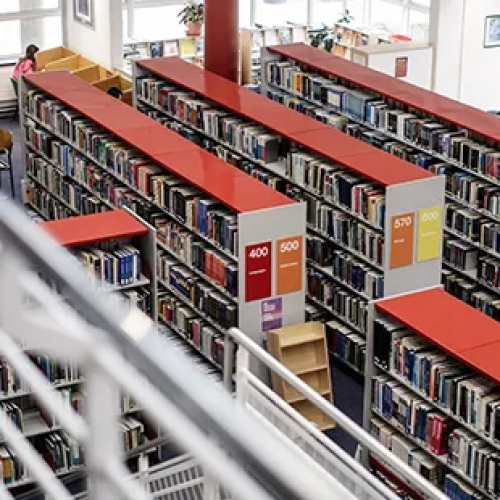
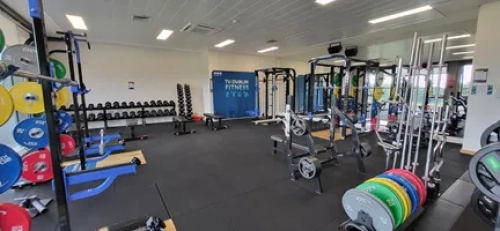
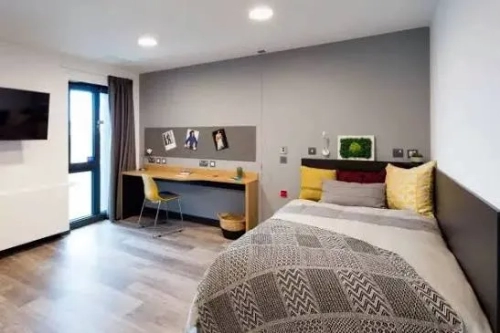
Outdoor Sports Facilities
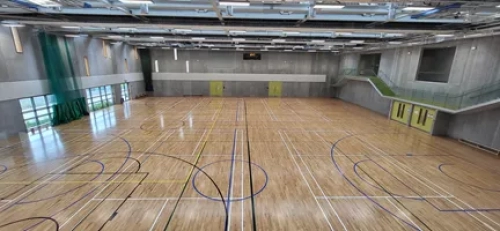
Indoor Sports Facilities
Student Union
Research Centers: University research centres are vital hubs of innovation and collaboration within academic institutions and bring together faculty, researchers, and industry partners to address complex challenges, advance knowledge, and drive innovation in various fields.
Engineers Ireland
A proven senior executive... read more
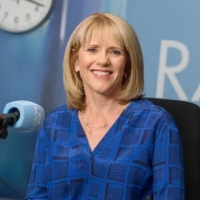
Dympna is committed to strengthening the representation and visibility of women in STEM, contributing to multiple initiatives that promote equity and inclusion in higher education. She is a current board member of IPPOSI (the Irish Platform for Patients Organisations, Science & Industry) and a former board member of Informatics Europe.


TU Dublin was formally established on January 1st 2019, the culmination of more than seven years of collaboration between the three partner Institutes – Institute of Technology Blanchardstown, Dublin Institute of Technology and Institute of Technology Tallaght.
With a history stretching back over one hundred and thirty years, TU Dublin is a pioneer of technological higher education with our alumni playing important roles in innovation, economic and social development and culture and education both in Ireland and internationally. TU Dublin continues to build on those solid foundations and to respond to the social, cultural and educational needs of Ireland in the 21st century.