

Founded in 1559, the University of Geneva enjoys worldwide recognition and ranks among the top 100 best universities in the world. A versatile institution, it fosters the emergence of inter- and multidisciplinary fields in both research and teaching. It constantly strengthens its links with international Geneva, whilst contributing to the cultural, social and economic development of the region, notably through the promotion of research and its expertise in a wide range of fields.
In 1873, it dropped its religious affiliations and became officially secular. In 2009, the University of Geneva celebrated the 450th anniversary of its founding. Almost 40% of the students come from over 150 foreign countries.
The University of Geneva, the only comprehensive university in French-speaking Switzerland, provides high-quality higher education and ensures the interdisciplinarity of research. Committed to breaking down knowledge barriers and staying tuned to societal changes, it actively works towards equal opportunities, aiming to ensure broad access to studies and favorable learning conditions.
In accordance with the Law on University , UNIGE conducts its activities along three main axes:
The University is guided by Geneva's values: international openness, respect for human rights, sensitivity to diverse cultures, ethics, humanism, and the tradition of scientific research. It promotes these values, particularly by committing to:
| Acronym | UNIGE |
| Motto / Slogan | Post tenebras lux (Latin), Light after darkness |
| Founded | 1559 |
| Location | Geneva, Switzerland |
| Address | University of Geneva 24 rue du Général-Dufour , 1211 Geneva 4, Switzerland. |
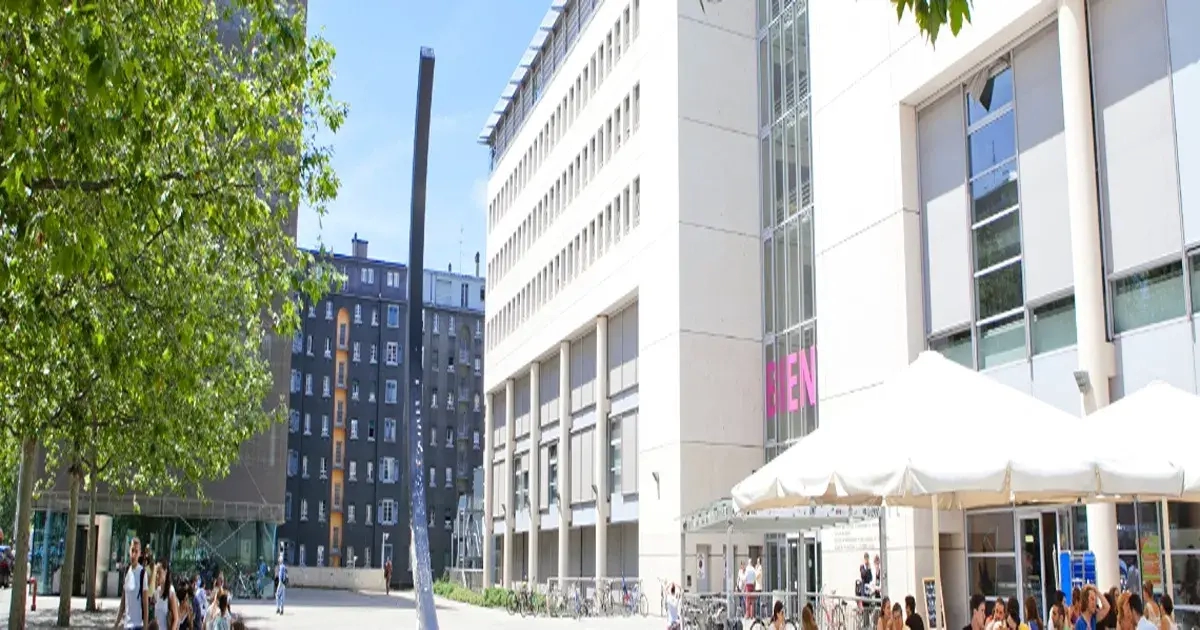
The University of Geneva is consistently ranked among the top universities worldwide and is known for strong research output and academic excellence across many disciplines.
Its connections with international organizations, multinational companies, NGOs, and research institutes help graduates access employment opportunities both in Switzerland and globally.
Students can study in French while also improving their English and gaining exposure to other international languages, a valuable asset for global careers.
Located in Geneva, the university is at the heart of one of the world's most important international hubs. Geneva hosts organizations such as:
This provides exceptional opportunities for networking, internships, and career development.
Admission requirements vary by course and program. View the program page for course-specific requirements.
Admission requirements vary by course and program. View the program page for course-specific requirements.
Applications are submitted through the University's online admissions platform. International students who have never studied at UNIGE must complete both the programme application and university enrolment procedures online.
Phone : +41 (0)22 379 77 39
Apply For Admission



Institutional Accreditation: UNIGE holds official institutional accreditation from the Swiss Accreditation Council, granted by the Swiss Agency of Accreditation and Quality Assurance (AAQ).
Institution accredited pursuant to HEdA for 2022-2029.
Deeply involved in the life of the Faculty of Law at the University of Geneva, as well as in the institution as a whole, she chaired numerous faculty committees, sat on the faculty dean's board, headed the civil law department before becoming dean of the faculty in 2022. On November 29, 2023, on the proposal of the University Assembly, the State Council appointed Audrey Leuba rector of the University of Geneva for the period from April 1, 2024 to July 14, 2028.
From 2022 to 2024, she was Director of the Department of German Language and Literature. She is co-founder and co-director of the international research network "KULI – Kulturbezogene und kulturanalytische Linguistik" (Cultural and Analytical Linguistics). Juliane Schröter joined the Rectorate of the University of Geneva on April 1 , 2024, as Vice-Rector.




The Academy was originally conceived as a theological and humanist seminary, the guardian of Reform doctrine. During the Enlightenment distinguished scholars found inspiration here and new disciplines were introduced such as physical and natural sciences, law and philosophy.
The Academy shed its ecclesiastical vocation during the political and social upheavals of the 19th century and, following the establishment of the Faculty of Medicine in 1873, it became a university.
Contemporary researcher... read more
For the full history of UNIGE, please refer to the pages dedicated to the 450th anniversary (in French only)