Dún Laoghaire Institute of Art, Design and Technology (IADT) is a public higher education institution in Dún Laoghaire, County Dublin, Ireland. Established in 1997, it is the country's only institute dedicated exclusively to the creative, cultural, and technological industries. IADT combines academic excellence with practical, industry-led learning, offering programmes across art, design, media, film, animation, entrepreneurship, business, psychology, and technology. Through strong partnerships with industry and an emphasis on innovation, research, and creativity, IADT equips students with the skills and experience needed to thrive in rapidly evolving global industries.
| Acronym | IADT |
| Nickname | IADT |
| Motto / Slogan | Creating Futures |
| Colour | Orange |
| Founded | 1997 |
| Location | Dublin, Leinster, Ireland |
| Address | Institute of Art, Design + Technology Kill Avenue, Dún Laoghaire Co. Dublin, Ireland, A96 KH79 |
Is to continue to specialise in creativity and innovation as expressed in the arts, technology and entrepreneurship and to work with learners and stakeholders as partners to develop graduates who are innovative, creative, entrepreneurial and adaptable, and who are ready to meet the challenges of the digital age.
To be at the forefront of teaching, research, and innovation at the convergence of the arts, technology, and enterprise, and to actively contribute to Ireland's development as a creative knowledge economy.
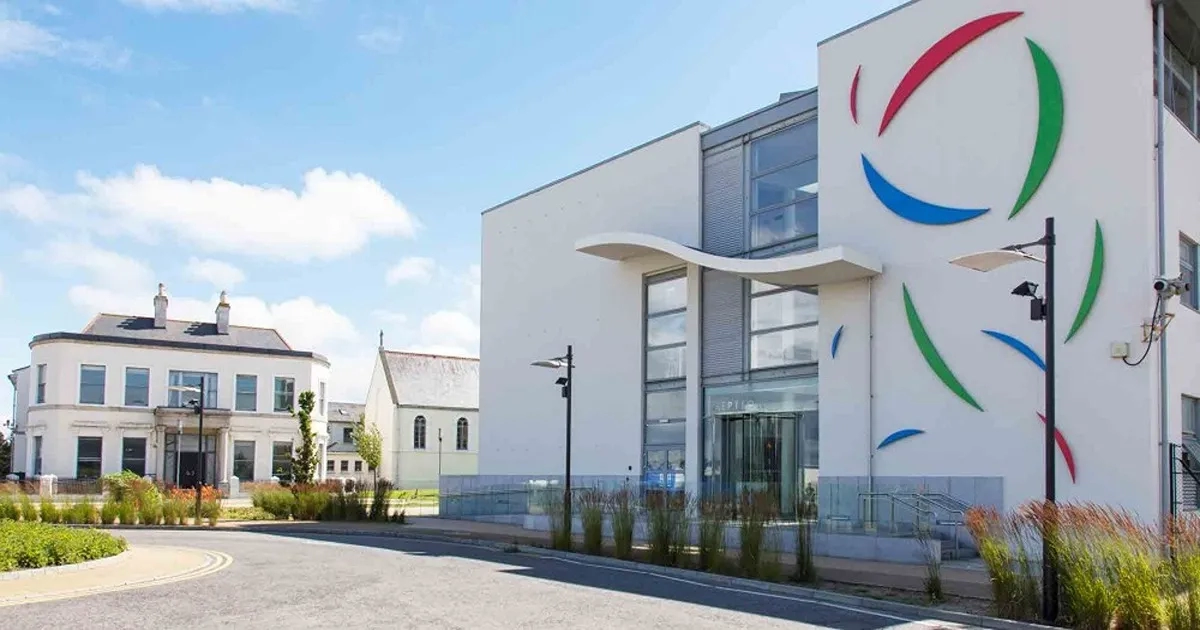
IADT is a leader in higher education with a specialist focus on the development of future makers, shapers, technologists, thinkers, storytellers and creators who lead and innovate in a changing digital world. Explore what's on offer and start your IADT future today.
From full-time undergraduate and postgraduate programmes to accredited part time courses, IADT has earned the reputation as Ireland’s leading creative, cultural and technological institute by consistently providing innovative, relevant and future-facing courses.
The Student Experience Team at IADT provides inclusive support services to help students succeed throughout their studies. Whether you need assistance with your health, mental well-being, disability support, academic skills, financial guidance, career planning, or adjusting to college life, the team is committed to ensuring you have the resources and support needed for a positive and successful student experience.
Admission requirements vary by course and program. View the course page for requirements.
English Language Requirements:
Admission requirements vary by course and program. View the course page for requirements.
English Language Requirements:
Have completed a full qualification (minimum one academic year) through the instruction of English, at NFQ level 5 or higher.
UNDERGRADUATE:
EU Undergraduate Applicants
EU applicants apply via the CAO for undergraduate programmes at IADT.
Non-EU Undergraduate Applicants
Applicants with a Non EU fee status must apply directly to IADT undergraduate programmes using the International Undergraduate application form above.
POSTGRADUATE:
EU and Non-EU applicants apply directly to IADT postgraduate programme using this Application Form
Email: [email protected]
Phone : +353 1 2394621, +353 1 239 4612

Higher Education and Training Awards Council (HETAC)
Advance HE / Athena Swan Ireland
David Smith was appointed President of IADT in 2020.
He is the former Head of Faculty of Film, Art and Creative Technologies at IADT. He has extensive experience in higher education and professional practice. He is principal of the widely acclaimed design studio Atelier and was Programme Chair and Senior Lecturer in Visual Communications Design at IADT until 2015.
Denise McMorrow is the Student Experience Manager at IADT. Use the following contact details to get in touch with Denise.
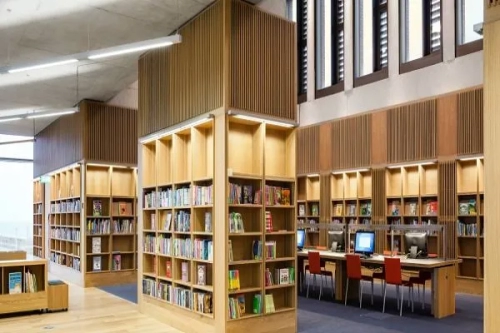
Jane Buggle is Institute Librarian at IADT and has strategic responsibility for the delivery of all Library services to both students and staff.




As well as being a valued educational and enterprise partner at local level, IADT is respected and renowned nationally and internationally in the creative, cultural, entrepreneurial and digital media sectors. Student numbers have grown from 450 to 2500. Our plan is to grow to over 3000 students and continue to develop the campus and infrastructure. IADT is built on a history of understanding what is needed – both now and in the future – and taking action. That same spirit of enterprise, that sense of creative adventure and energy, is alive and well on the IADT campus today. Well, with a history like ours, what else would you expect?
A diary kept by a nineteenth century landowner called Thomas Goff paints a fascinating picture of a rural Irish idyll. He writes of his first railway journey on the Dublin to Kingstown railway, and holidays in a rented house in Dalkey. His ten children were all born at home. We know that home as Róisín Hogan House.
Carraiglea House was renamed in 2001 to honour Róisín Hogan, the first Director of IADT and former principal of the DLCAD. In the eighteenth and nineteenth centuries, it was a family home on one hundred acres until in 1893 the entire estate was sold to the Christian Brothers. During the Easter Rising of 1916, 2000 British soldiers camped in the grounds while waiting for orders to march into the city. The Department of Education acquired the property and its land in 1982. Given the urgently growing needs of DLCAD at the time, the College moved from Dún Laoghaire town to this new Carriglea campus.
Róisín Hogan House was our first building, and it is still at the heart of IADT. The campus has grown significantly since the late 1990s in order to meet our changing and growing needs, with the addition of: the Atrium building (1998), Carriglea building (2002), the Digital Media Incubation Centre Mediacube (2007), the Backlot (2012) and National Film School building (2013). Our commitment to innovation extends to our ongoing plans for the IADT campus and all our teaching and learning spaces.
IADT Today
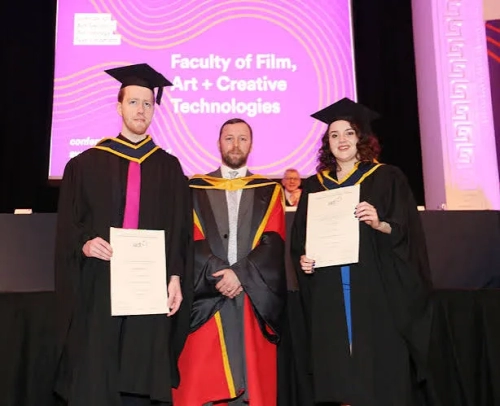
IADT as we recognise it today, came into being in 2012, when three existing Schools were amalgamated to become two Faculties: the Faculty of Enterprise + Humanities, and the Faculty of Film, Art + Creative Technologies, incorporating the National Film School.