TU Dresden (German: Technische Universität Dresden, TUD), also as the Dresden University of Technology, is a public research university in Dresden, Germany. It is the largest institute of higher education in the city of Dresden, the largest university in Saxony, and one of the 10 largest universities in Germany with 29,000 students as of 2024.
The name Technische Universität Dresden has only been used since 1961; the history of the university, however, goes back nearly 200 years to 1828. This makes it one of the oldest colleges of technology in Germany, and one of the country's oldest universities, which in German today refers to institutes of higher education that cover the entire curriculum. The university is a member of TU9, a consortium of the nine leading German Institutes of Technology. The university is one of eleven German universities which succeeded in the Excellence Initiative in 2012, thus getting the title of a "University of Excellence". The TU Dresden succeeded in all three rounds of the German Universities Excellence Initiative (Future Concept, Graduate Schools, Clusters of Excellence).
| Acronym | TUD |
| Nickname | TU Dresden |
| Colour | Blue |
| Founded | 1828 |
| Location | Dresden, Saxony, Germany |
| Address | Zellescher Weg 18 01069 Dresden Germany |
TU Dresden is committed to excellence in research and teaching, acting as a multidisciplinary university that connects sciences and engineering with humanities and social sciences. Its teaching aims to encourage students to assume social responsibility, blending technical innovation with the reflection of societal and cultural developments.
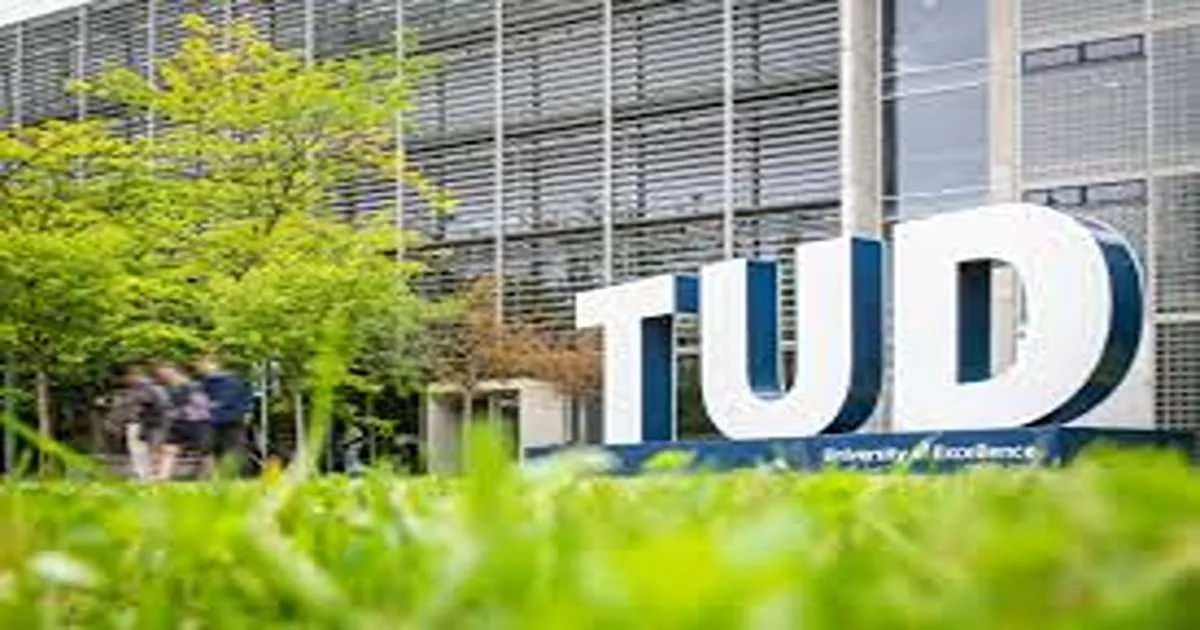
Technische Universität Dresden is one of Germany’s largest technical universities with nearly 200 years of history. A University of Excellence since 2012, it is among the top research institutions in Germany and Europe. TUD offers 119 degree programs, leading to Bachelor’s, Master’s, Diplom, state exams, and some international double degrees.
Dresden is one of Germany’s most beautiful cities, offering vibrant culture and nightlife. Students enjoy museums, theaters, opera, concerts, pubs, clubs, cinemas, and festivals. Nearby attractions like the Elbland region, Saxon Switzerland, and the Ore Mountains are easily accessible. With the semester ticket, you can travel around at no extra cost.
As a state university, the TUD is a safe part of Saxony's higher education landscape and allows you to study without tuition fees. In direct comparison with other locations of excellence, rents and living costs in Dresden are moderate.
Dresden is not just an option during your studies; there are also numerous opportunities and career prospects in the state capital afterwards."Silicon Saxony" is home to many well-known large and medium-sized companies as well as start-ups from a wide range of sectors and is looking forward to welcoming committed young talent.
Entry requirements vary by program. View the study application page for requirements.
Entry requirements vary by program. View the study application page for requirements.
Email: [email protected],[email protected]
Phone : +49 351 463-42000

Accredited by the Saxon State Ministry for Science, Culture and Tourism.
The Rector sits at the helm of TU Dresden and is its external representative. She is the head of the Extended University Executive Board and determines the guidelines for research and teaching at the university. The Rector is elected by the Extended Senate for a term of office of five years.
The Vice-Rector Research and Technology Transfer is responsible for research funding and early career support, as well as scientific and economic developments in cooperation with external partners at TUD. In close cooperation with her team, the staff of Directorate 5 – Research and the Excellence Center for Innovation, Transfer and Entrepreneurship (TUD|excite), the Vice-Rector is dedicated to these tasks.